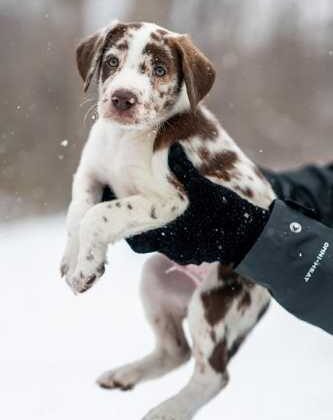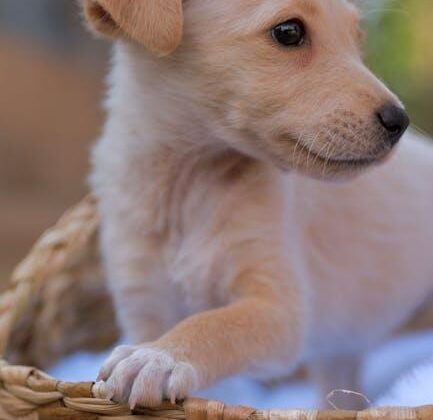
So, you’ve got a puppy. Congratulations! Also… deep breath. your house may currently smell like puppy breath and mild panicand that’s totally normal. Whether you’re a frist-time dog parent or you just forgot how much chaos a tiny fluffball can create,Puppy Care 101 is here to help you survive the cute chaos without losing your mind-or your favorite shoes.
This no-stress beginner’s guide breaks down the puppy essentials in plain english: feeding, potty training, sleep, socialization, vet visits, chew toysand the delicate art of convincing your new best friend that your slippers are not a snack. No judgment,no perfection required-just practical tips and a few sanity-saving shortcuts. Consider this your friendly starting point for raising a happy, healthy puppy while keeping your cool (moast of the time).
Set Up a Puppy Safe Zone With a Crate Bed and Chew Toys
Think of the crate bed as your puppy’s tiny apartment: cozy, boring in the best wayand always open for nap business. Place it in a quiet corner away from foot traffic and loud appliances, then add a washable bed, a familiar blanketand one safe chew toy so the spot smells and feels like theirs.Keep the door open during happy hangouts, toss a treat inside now and thenand skip using it as a timeout dungeon – good vibes only.
- Soft landing: a bed and blanket that can handle accidental puddles.
- chew menu: a rubber toy, teething ringor vet-approved chew.
- Safety scan: no dangling cords, tiny objectsor loose fabric.
Rotate toys like a snack subscription box so boredom doesn’t turn your sofa into a chew stick. Keep water nearby, check toys for cracksand swap out anything that’s been shredded. A simple setup keeps the chill corner clear: crate bed = nap mode, chew toy = happy mouth, you = nearby but not hovering.
Nail potty Training With a Simple Schedule and Lots of Praise
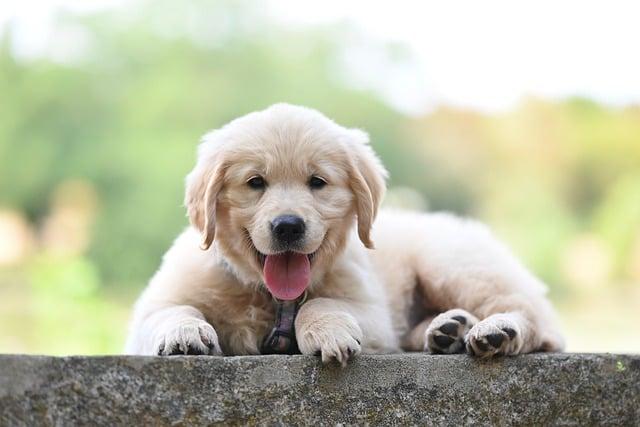
Think of potty training like a tiny daily routine,not a race. Pick a handful of go-to moments and stick to them-your puppy will start to predict when the bathroom break is coming. Keep the same order every dayand don’t worry if you’re a minute off. Consistency beats perfection.
- Right after your puppy wakes up (morning or after a nap)
- Within 10 minutes of every meal
- After every play session or training burst
- Before bedtime-and once mid‑night if they’re very young
Praise is your secret weaponand it has to land within seconds of the potty happening. use a cheerful, high‑pitched voice and throw a mini party every single time. Instant praise tells your puppy “yes, that’s exactly what I wanted!” keep a few treats in every room so you’re never caught empty‑handed.
- A tiny, pea‑sized treat (only for potty wins)
- A happy dance or gentle ear scratch
- A specific cue word like “yes!” or “good potty!”
Serve Balanced Puppy Meals and Keep Treats tiny
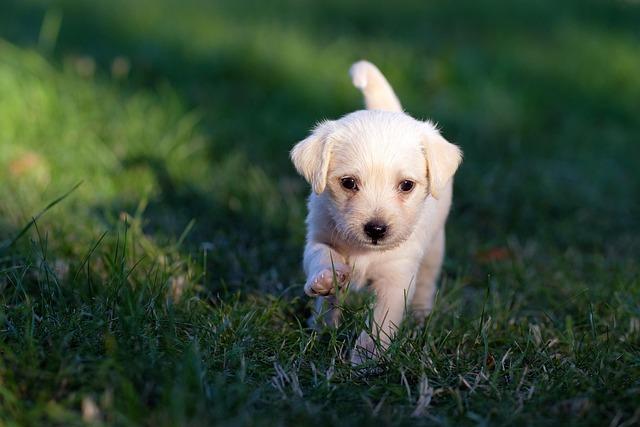
Puppy tummies are tiny but mighty, so think of meals as a steady little fuel drip rather than a buffet free-for-all. Pick a complete puppy food, check the feeding guideand split the daily amount into three or four small meals while your pup is young. Keep the routine boring in the best way-same spot, same times, fresh water nearby-and skip the urge to top every bowl with extras. Watch body shape and energy,then tweak portions with your vet instead of guessing from sad puppy eyes.
- Morning: a small scoop to start the engine
- Midday: another mini meal for steady energy
- Evening: the last scoop before wind-down
Treats are the confetti of puppy training-fun, usefuland way too easy to overdo. Keep them pea-sized and count them as part of the day’s calories, not a bonus food group. Use tiny bits of regular kibble, break training treats into smaller piecesand lean on praise, playand sniffing games as rewards too. if a treat is bigger than your thumbnail, it’s probably a snack, not a training tool.
Socialize Your Pup Early With Calm Introductions and New Sounds
Think of early socializing as tiny, boring wins-not a puppy parade. Invite one calm friend over, let your pup choose whether to sniffand reward brave curiosity with a treat tossed on the floor. Skip the “pass the puppy” circle; instead, practice short, happy hellos and exit before your pup gets overwhelmed. A few low-pressure wins look like:
- One new person at a time, with soft voices and no looming hugs.
- Treat-scatter breaks when your pup pauses or looks away.
- Swift exits while tails are still wagging.
Sounds deserve the same gentle game plan. Start at whisper volume-think dishwasher hum,doorbell on a phone,or rain played softly-then pair each new noise with tasty snacks and easy play. If your pup startles, dial the volume down and add distance; calm exposure beats forcing bravery every time. Build a little sound menu:
- household hums: vacuum in another room, blender on low.
- Doorway dings: doorbell, knock, keys in the lock.
- Outside sounds: distant traffic, kids playing, light rain.
Q&A
Puppy Care 101: Your No-Stress Q&A
how frequently enough should I feed my puppy?
It depends on age, but little puppies usually eat 3-4 small meals a day until around 6 months, then can move to 2-3 meals. Check your puppy’s food bag and ask your vet for the best schedule.Fresh water all day, always.
How much sleep does a puppy actually need?
A lot – think 16-20 hours a day. Puppies get wild when they’re overtired, so if yours turns into a tiny shark, it might be nap time. A quiet crate or bed helps a ton.
How do I potty train without losing my mind?
Routine, routine, routine. Take your puppy out after meals, naps, playand every couple of hours. Praise like they just won an award. Accidents happen – don’t punish, just clean with an enzyme cleaner and keep going.
What vaccinations does my puppy need?
Your vet will set up a schedule for core vaccines and boosters. Until your puppy is fully vaccinated and your vet gives the okay, avoid unknown dogs and high-traffic dog areas. Puppy classes with vaccinated pups can be grate if your vet approves.
How do I stop puppy biting?
Redirect, redirect, redirect.Offer a toy or chew rather of your hand, pause play if teeth touch skinand keep naps on schedule. Puppies bite more when tired or teething.No harsh corrections – that usually makes it worse.
How much exercise is okay?
Short, frequent sessions are better than one big workout. Play, sniffing gamesand training count as exercise too. Don’t overdo it with long runs or hikes while your puppy is still growing – ask your vet what’s appropriate for the breed and age.
should I crate train my puppy?
Yes, it can be super helpful for potty training, napsand safe alone time. Make the crate comfy and positive with treats and toysand never use it as punishment. Start with short periods and build up slowly.
How do I socialize my puppy safely before all vaccines are done?
Invite calm, vaccinated people over, carry your puppy in safe placesand expose them to normal sounds and surfaces at home. Avoid unknown dogs and dog parks until your vet says it’s safe. It’s about safe exposure, not throwing them into a crowd.
How often should I bathe and groom my puppy?
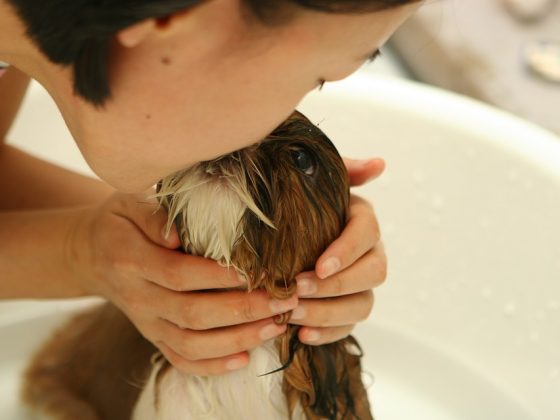
Not too often – over-bathing can dry out their skin.Use puppy-safe shampoo and brush regularly. Nails, earsand teeth need attention too, so ask your vet or groomer for a routine that fits your puppy’s coat.
What if my puppy eats something weird?
Call your vet or a pet poison hotline right away. Don’t induce vomiting unless a vet tells you to. Keep trash, chocolate, grapes, raisins, onions, xylitoland meds far out of reach.
How do I help my puppy handle alone time?
Start with tiny absences and build up slowly. Give a safe toy or treat, keep goodbyes low-keyand don’t make a big deal when you return. If your puppy panics, talk to your vet or a trainer – separation stuff is easier to fix early.
When should I call the vet?
If your puppy won’t eat,seems super sleepy,has vomiting or diarrhea,trouble breathing,a fever,or you’re just worried – call. Trust your gut.Better a quick vet call than a stressed-out puppy parent spiral.
Quick note: This is general puppy-care info, not a replacement for your vet’s advice. Your vet knows your pup best!
Key Takeaways
Well, friends, there you have it! Puppy parenthood isn’t about being perfect-it’s about showing up, laughing at the chaosand keeping those treat pouches stocked. You’ve got the basics downand honestly, that’s more than half the battle.
Remember: every chewed shoe, every 3 a.m. potty break, every clumsy puppy tumble is just part of the adventure.You’re gonna make mistakes-and spoiler alert-so will your pup. That’s totally fine. The bond you’re building? That’s the good stuff.
So go ahead-snap those embarrassing puppy photos, celebrate the tiny winsand don’t stress about being a “perfect” pet parent. your puppy doesn’t need perfect. They just need you (and maybe a few extra belly rubs).
Got a puppy question or a funny story to share? Drop it in the comments-I’d love to hear from you! Now go enjoy those puppy snuggles while they’re still little.Trust me, they grow up way too fast. 🐾